Building Outfits Off Sweatpants and Shorts: How to Stack Pieces With HMDD
Most people approach layering like simply a cold-weather chore, not a way of shaping a true outfit. That view misses the mark, above all when HMDD sweatpants and HMDD shorts are the pieces you’re starting from. Happy Memories Don’t Die has built a clothing approach around comfort-forward silhouettes that keep their form in a fit, and this dual nature is precisely what makes layering around them so workable. You’re not wrestling with bulky fabric or struggling against a logo that dominates every frame. You’re working with clean lines that let a hoodie, a jacket, or a simple tee do the talking up top while the bottoms hold the shape below.
This article walks through how to really construct stacked looks around HMDD sweatpants and HMDD shorts across different seasons, occasions, and proportions. We’ll get into fabric weight, color stacking, and the small styling decisions that distinguish a hastily assembled outfit from one that looks purposeful. If you’ve read an hmdd review or two and are still unsure how the pieces translate into daily rotation, this is the practical follow-up.
Why HMDD Bottoms Function as a Layering Base
A lot of layering conversations zero in on the top half — jackets, flannels, vests — and treat the bottom half as an afterthought. That’s a misstep with HMDD clothing specifically, because the brand’s sweatpants and shorts are designed with enough purpose that they act as a visual anchor, not just a filler piece. A tapered sweatpant leg or a shorts cut that holds a steady hemline gives you a predictable base to build from, which matters more than people realize when you’re combining three or four garments in one outfit.
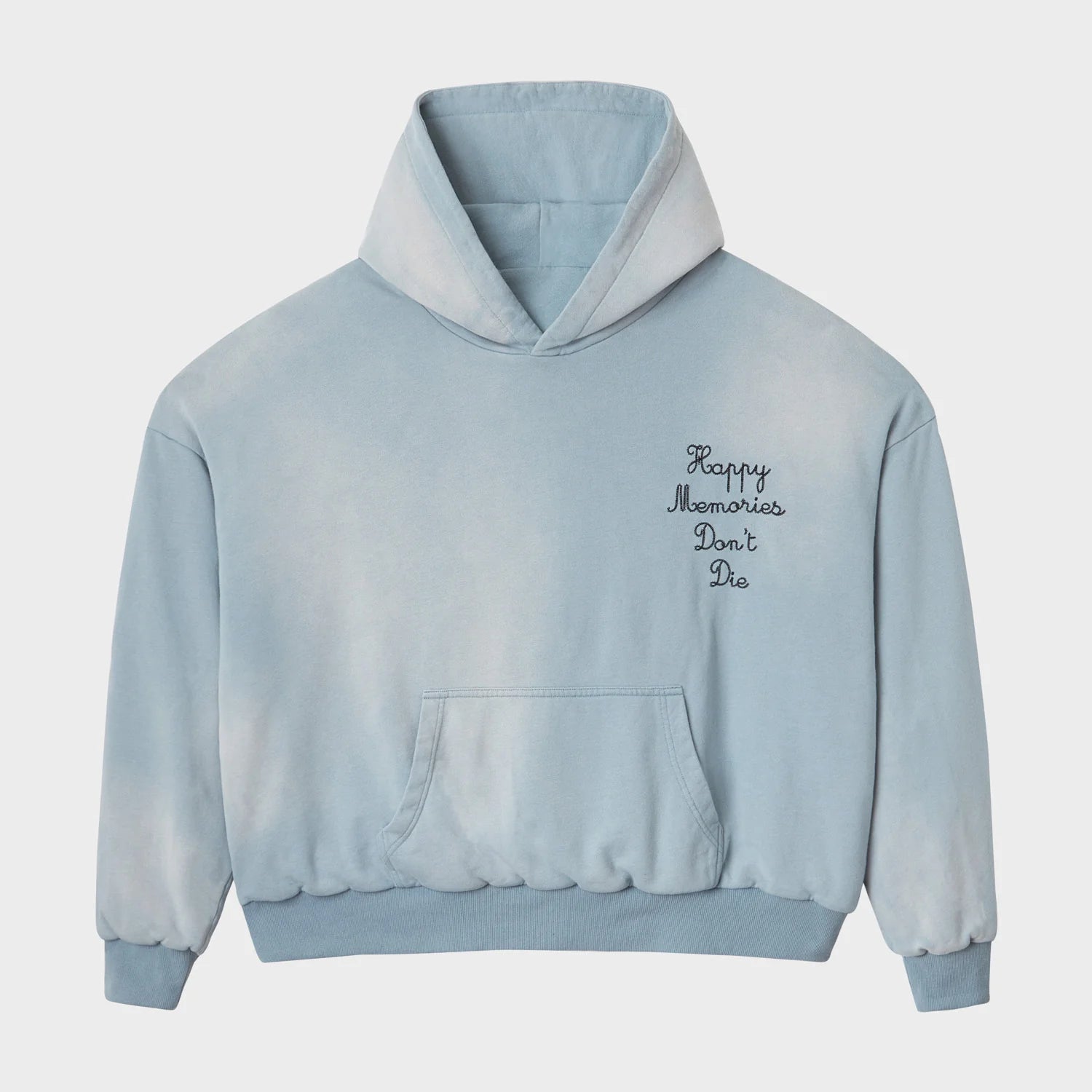
Picture it in terms of proportion math. If your bottoms are loose and unstructured, every layer on top needs to compensate by being tighter or shorter, or the whole outfit reads as shapeless. HMDD sweatpants generally taper toward the ankle, which means you can layer https://hmddclothing.net/ a longer overshirt or an oversized hoodie on top without the shape falling apart into shapeless fabric. The same logic applies to HMDD shorts in warmer months — a clean hem and consistent rise mean you can layer a lightweight jacket or a button-down shirt over a tee without the bottom half competing with the upper layers visually.
There’s also a material argument here. Thicker fleece-weight sweatpants maintain a fold and form more effectively than flimsier cotton-poly fabrics, which means the pieces shoot better and perform better across a full day. It’s partly for this reason that hmddla has become shorthand in threads and comment sections for people zeroing in on the label’s LA-tinged, streetwear-leaning items — the weight and drape of the fabric reads differently in person than in a flat product photo, and once you’ve handled it, it becomes clearer why the layering works the way it does.
Cold-Weather Layering Around HMDD Sweatpants
Start with the sweatpant as your fixed point and build upward in three layers: an inner tee, a middle hoodie or crewneck, and an outer coat. The backbone of most cold-weather streetwear fits is exactly this three-layer approach, effective because each layer does its own distinct job. The base tee regulates temperature close to the skin. The hoodie adds bulk and a graphic or logo moment. The outer layer, be it a shell, denim trucker, or coach jacket, is what defines the silhouette at a distance.
Specifically with HMDD sweatpants, the tapered fit means you can add more bulk above without the outfit reading as top-heavy. A drop-shoulder hoodie paired with a mid-length puffer over HMDD sweatpants creates a deliberately oversized-on-top, fitted-on-bottom shape that’s held sway in streetwear styling for a good stretch of years and shows no sign of fading in 2026. The critical proportion to monitor is the hoodie’s length against the jacket’s — if your hoodie hem falls more than two or three inches below your jacket hem, the layering reads as sloppy rather than intentional. Minimize that distance and the whole look comes together.
How you sequence color counts every bit as much as fit does. Rather than switching between unconnected tones at every layer, a three-layer cold-weather fit built around HMDD sweatpants should typically transition from dark to light or vice versa, bottom to top. Charcoal sweatpants with a heather grey hoodie and black shell gives an intentional impression. That same charcoal sweatpant paired with a bright graphic hoodie and olive jacket comes off as haphazard, unless a clash-style look is the deliberate goal, which is its own separate styling approach.
Warm-Weather Layering Around HMDD Shorts
Layering shorts feels illogical at first, until you draw a line between “layering” and “adding bulk.” In warm weather, layering around HMDD shorts is about adding visual depth without adding heat — a lightweight overshirt, an unbuttoned short-sleeve button-up over a tank, or a mesh jersey worn open over a plain tee. Every one of these options introduces an extra textural layer to the look while keeping heat from building against the skin.
While constructing a shorts-based fit, the goal is to keep the eye traveling vertically rather than breaking at the knee. An open outer piece with extra length — something that falls to mid-thigh or just above where the shorts end — creates continuity between the top and bottom halves instead of a jarring cutoff at the waist. This ranks among the most frequent missteps in warm-weather streetwear styling: a boxy, cropped tee paired with shorts and nothing else can look unresolved, while the same shorts paired with a somewhat lengthier open shirt layered over the tee instantly reads as complete.
Footwear pulls significant weight in shorts-based outfits too, more than most people realize. With more leg exposed, the sock height and shoe silhouette enter into the overall layering logic whether you plan for it or not. A no-show sock worn with a chunky sneaker lengthens the leg; a crew sock with the same shoe shortens it. When putting together a look with HMDD shorts for a warmer month in 2026, the sock choice deserves treatment as a fourth layer, not something tacked on at the end.
Working Sweatpants and Shorts Into a Single Rotation
Hardly anyone stick to just sweatpants or just shorts — most keep both in rotation and need a system for choosing between them each morning without overthinking it. The easiest approach is temperature banding: under a set temperature point, sweatpants; past that point, shorts, with a transitional zone where either works depending on the top-half layering plan.
A workable range for the majority of climates looks like this: under 55°F, sweatpants are the go-to. In the 55°F-to-68°F range, it’s a judgment call decided by activity level and how many layers you’re wearing up top. Above 68°F, shorts take over unless you’re specifically dressing for air conditioning or a cooldown in the evening. This isn’t a rigid rule, but it removes daily decision fatigue and frees you up to focus styling energy on the top-half layering instead of relitigating the bottom half every time you get dressed.
Another element in mixing sweatpants and shorts into one wardrobe is color consistency. When your HMDD sweatpants and HMDD shorts sit in a similar color range — greys, blacks, muted earth tones — your top-layer pieces become interchangeable across both, which essentially doubles your possible fit combinations without requiring twice the wardrobe. This is the same principle capsule wardrobes are built on, and it works just as effectively for a streetwear-leaning rotation as it does to a minimalist rotation.
Comparing Layering Approaches by Season
| Time of Year | Base Layer | Middle Layer | Outermost Piece | Lower-Body Item |
|---|---|---|---|---|
| Winter | Long-sleeve top | Thick hoodie | Puffer jacket or shell layer | HMDD sweatpants |
| Spring | Short-sleeved tee | Thin crewneck | Jean jacket or coach-style layer | Sweatpants from HMDD |
| Summer | Tank top or tee | Unbuttoned short-sleeve shirt | None or mesh jersey | HMDD-brand shorts |
| Fall | Tee | Flannel or overshirt | Lightweight jacket | HMDD shorts or sweatpants |
Last Thoughts on Assembling a Consistent Wardrobe Rotation
Those who search hmdd review threads prior to buying are usually trying to settle one question: does this hold up as a foundation piece, or is it a one-outfit item that fades into the back of a drawer? Looking at the way the sweatpants and shorts are constructed, honestly, they work best as a quiet foundation that supports many different top-half pairings instead of a bold piece meant to grab attention. That’s a compliment, not a knock — the strongest foundational pieces in a closet are the ones that fade from conscious thought simply because they perform so well.
If you’re shopping HMDD for the first time in 2026, hold off on buying only one pair of sweatpants or shorts and thinking that’s enough. A solid layering system requires a minimum of two bottom pieces in varying weights, along with two or three top layers that can be rotated between them, and the strongest HMDD selections are usually the ones that pair easily with what’s already in your closet rather than the flashiest piece in the collection. Start with a neutral sweatpant and a neutral short, build two or three top-layer combinations for each, and let the rotation grow from there — cherished memories last, and so does a wardrobe rotation that’s actually put to use instead of merely hung up and admired.